Climb Mount Kilimanjaro Overview
To climb Mount Kilimanjaro is to embark on one of the most iconic adventures in the world. Rising to 5,895 meters (19,341 feet) above sea level, Mount Kilimanjaro is the highest mountain in Africa and the tallest free-standing mountain on Earth. Located in northern Tanzania, this legendary peak attracts trekkers from around the globe who seek challenge, inspiration, and a life-changing achievement.
Unlike technical mountains that require ropes or climbing equipment, Kilimanjaro is a non-technical trek, meaning anyone with good fitness, determination, and the right preparation can reach the summit. However, altitude—not terrain—is the main challenge. Proper acclimatization, route selection, and experienced local guides are essential for a successful climb.
Climbing Kilimanjaro takes you through five distinct ecological zones, each offering dramatic changes in landscape and climate—from lush rainforest to arctic conditions at the summit.
To climb Mount Kilimanjaro is to challenge yourself, connect with nature, and achieve something truly extraordinary. Whether you choose the scenic Machame Route, the classic Marangu Route, or the remote Northern Circuit, reaching the summit of Kilimanjaro is an unforgettable accomplishment that stays with you forever.
Begin your journey today and take your first step toward standing on the Roof of Africa.
Why Climb Mount Kilimanjaro?
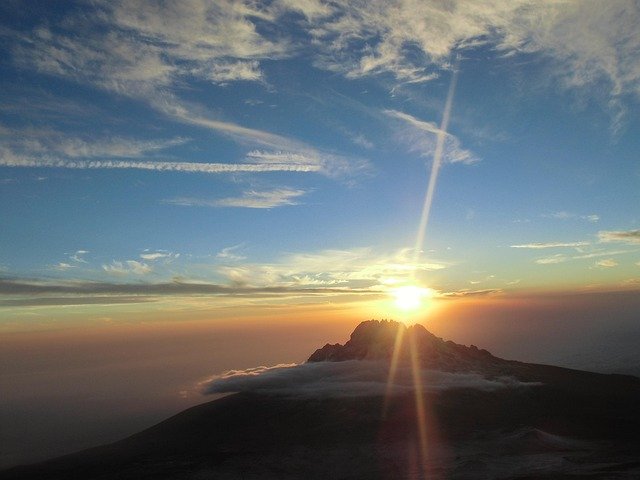
Stand on Uhuru Peak, the highest point in Africa
Experience five climate zones in one trek
No technical mountaineering skills required
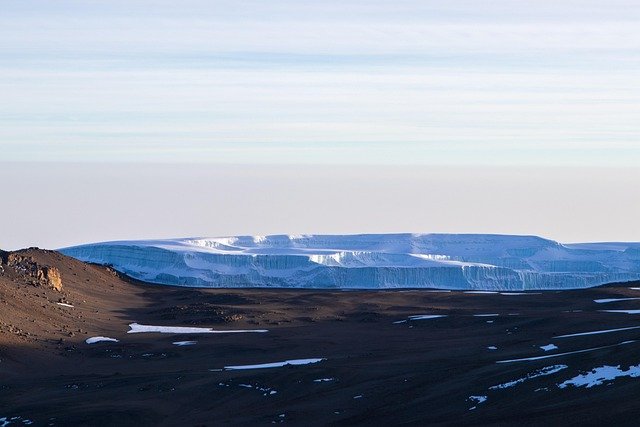
Witness glaciers, volcanic landscapes, and endless plains
Choose from multiple routes suited to all experience levels
Achieve a once-in-a-lifetime personal milestone
Routes to Climb Mount Kilimanjaro
Choosing the right route greatly affects your experience and success rate.
Marangu Route (Coca-Cola Route)
Only route with hut accommodation
Shorter duration and gradual trail
Ideal for climbers seeking comfort
Machame Route (Whiskey Route)
Most popular and scenic route
Excellent acclimatization profile
Camping-based and moderately challenging
Lemosho Route
Remote and less crowded
Longer duration for better acclimatization
High summit success rate
Northern Circuit Route
Longest and quietest route
Best acclimatization and highest success
Ultimate scenic Kilimanjaro experience
Rongai Route
Approaches from the north
Drier route, ideal in rainy seasons
Fewer crowds
How Long Does It Take to Climb Mount Kilimanjaro?
Most climbs take between 5 and 9 days, depending on the route and acclimatization schedule.
5–6 days: Faster climbs, more demanding
7–9 days: Recommended for higher success and safety
Longer itineraries significantly improve your chances of reaching the summit.
Best Time to Climb Mount Kilimanjaro
January – March: Warm, quieter season
June – October: Best weather, peak climbing season
April–May & November: Rainy seasons, fewer climbers
Difficulty & Fitness Requirements
Climbing Kilimanjaro is physically demanding but achievable. A good level of fitness, endurance, and mental determination are essential.
Recommended preparation includes
Cardio training and hiking practice
Strengthening legs and core
Familiarity with long walking days
Mental readiness for altitude challenges
Altitude, Safety & Acclimatization
Altitude sickness is the primary challenge when you climb Mount Kilimanjaro. To reduce risks, professional climbs focus on:
Gradual ascent and proper acclimatization
“Pole pole” (slow pace) walking
Daily health monitoring
Emergency oxygen and evacuation plans

What’s Included in a Kilimanjaro Climb
Licensed, experienced mountain guides
Professional support crew (porters & cooks)
Park fees and rescue fees
Camping or hut accommodation
All meals on the mountain
Safety equipment and first-aid kits
Transfers to and from the mountain