
Kilimanjaro Climbing Overview
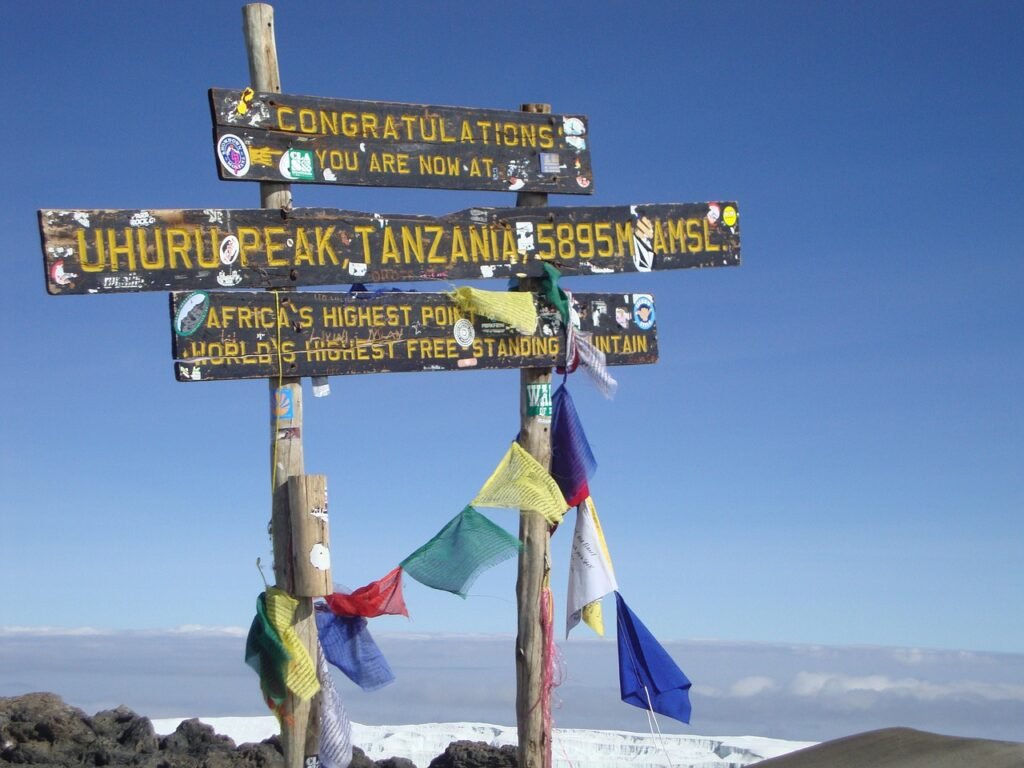
Kilimanjaro climbing is one of the world’s most iconic trekking adventures, offering travelers the chance to reach Uhuru Peak (5,895m)—the highest point in Africa and the tallest free-standing mountain on Earth. Located in northern Tanzania, Mount Kilimanjaro attracts thousands of climbers every year, from first-time hikers to experienced trekkers seeking a life-changing challenge.
Unlike technical mountaineering peaks, Kilimanjaro is a non-technical climb, meaning no ropes or climbing equipment are required. However, its extreme altitude makes the journey physically and mentally demanding. Success depends on choosing the right route, proper acclimatization, and experienced local guides.
Climbing Kilimanjaro takes you through five distinct ecological zones, each offering unique scenery—from lush rainforest and open moorland to alpine desert and the icy summit zone. Every step of the journey delivers breathtaking views, diverse landscapes, and an unforgettable sense of achievement.
Kilimanjaro climbing is more than a trek—it’s a journey of endurance, discovery, and personal triumph. Whether you choose the scenic Machame Route, the comfortable Marangu Route, or the remote Northern Circuit, reaching the summit of Mount Kilimanjaro is a once-in-a-lifetime experience.
Start planning your Kilimanjaro climbing adventure today and take your first step toward standing on the Roof of Africa.
Why Choose Kilimanjaro Climbing?
Reach Africa’s highest peak – Uhuru Point
Experience five climate zones in one trek
No technical climbing skills required
Multiple routes to suit different fitness levels
Spectacular views of glaciers, valleys, and plains
Guided by professional, licensed mountain guides
Kilimanjaro Climbing Routes:
Choosing the right route is essential for summit success. Each Kilimanjaro route offers a different experience:
Marangu Route (Coca-Cola Route)
Only route with hut accommodation
Shortest and most direct path
Best for beginners who prefer comfort
Machame Route (Whiskey Route)
Most scenic and most popular route
Excellent acclimatization profile
Camping-based and moderately challenging
Lemosho Route
Remote and less crowded
High success rate due to longer duration
Stunning western approach views
Northern Circuit Route
Longest and quietest route
Highest summit success rate
Ultimate scenic Kilimanjaro experience
Rongai Route
Approaches from the north
Drier and less crowded
Good choice during rainy seasons
Kilimanjaro Climbing Duration:
Most climbs take between 5 to 9 days, depending on the chosen route and acclimatization schedule:
5–6 Days: Faster climbs, lower success rates
7–9 Days: Better acclimatization, higher summit success
Longer itineraries greatly reduce the risk of altitude sickness and improve overall safety.
Best Time for Kilimanjaro Climbing:
January to March: Warmer temperatures, quieter trails
June to October: Best weather conditions, peak season
April–May & November: Rainy seasons (fewer climbers)
Kilimanjaro Climbing Difficulty & Fitness
Kilimanjaro is often described as a “walk-up mountain,” but the altitude makes it challenging. A good level of fitness, mental determination, and proper preparation are essential.
Most climbers train with:
Cardiovascular exercises
Hiking with a backpack
Altitude awareness and pacing
Altitude & Safety:
Altitude sickness is the biggest challenge on Kilimanjaro. Our climbs focus on:
Gradual acclimatization
“Pole pole” (slow pace) walking
Daily health checks
Emergency evacuation readiness
What’s Included in Our Kilimanjaro Climbing Tours
Licensed mountain guides and support crew
Kilimanjaro National Park fees
Quality camping or hut accommodation
All meals on the mountain
Safety equipment and first-aid kits
Transfers to and from the mountain